Drain Line Replacement in Denver, CO
Drain line replacement services involve removing and installing new underground pipes that carry wastewater from a property to the main sewer line or septic system. This type of work is typically needed when existing drain lines are damaged, cracked, corroded, or clogged beyond repair, which can cause persistent backups, leaks, or foul odors. Projects can range from replacing a small section of pipe to full-scale replacement of entire drain lines, especially in cases of aging plumbing systems or after foundation repairs. Property owners should understand the scope of the replacement, the materials used, and any potential disruptions to their property during the work before requesting service.
Homeowners usually want to know what signs indicate a drain line needs replacement, such as frequent backups, slow drains, or foul smells. It’s also important to consider the location of the pipes, accessibility for excavation, and whether permits are required for the work. Understanding the process, including the methods used to replace the pipes-such as trenchless or traditional excavation-can help property owners make informed decisions. Contacting a professional for an assessment can clarify the extent of the issue and the best approach for replacing drain lines effectively.
Many property owners in Denver, CO look into Drain Line Replacement for repairs, replacements, upgrades, and appearance-related improvements.
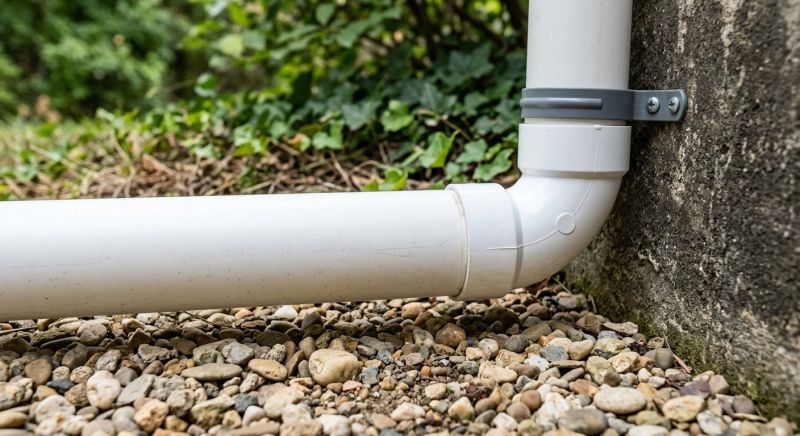
Signs You Need Drain Line Replacement
Persistent clogs and slow drains can indicate a damaged drain line that requires replacement.
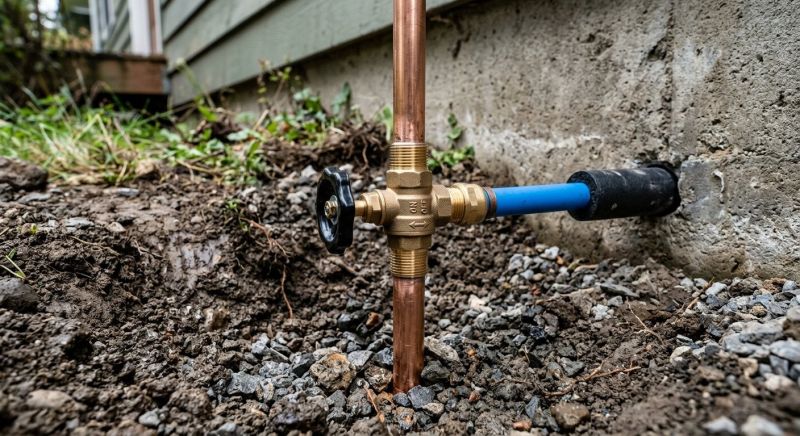
Common Causes Of Drain Line Damage
Corrosion, tree roots, and shifting ground are typical factors that lead to drain line deterioration in denver properties.
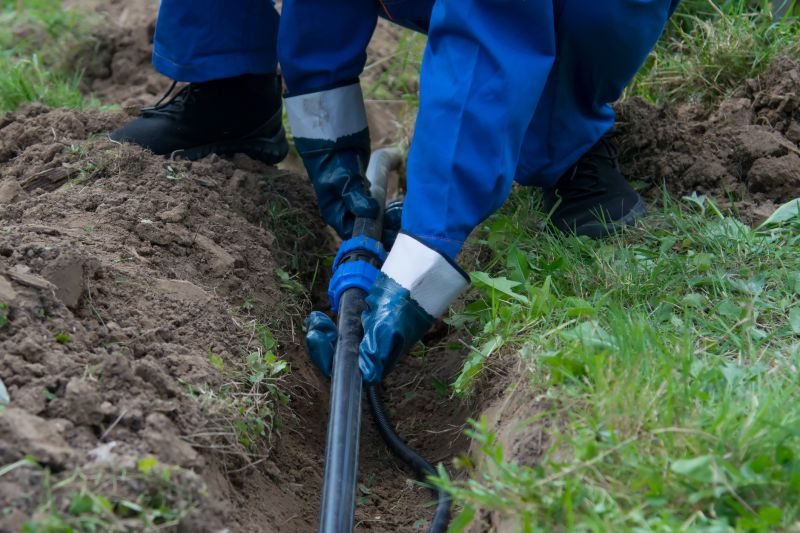
Benefits Of Replacing Your Drain Line
Upgrading your drain line can improve plumbing performance and prevent costly backups or water damage.
Drain Line Replacement in Denver, CO
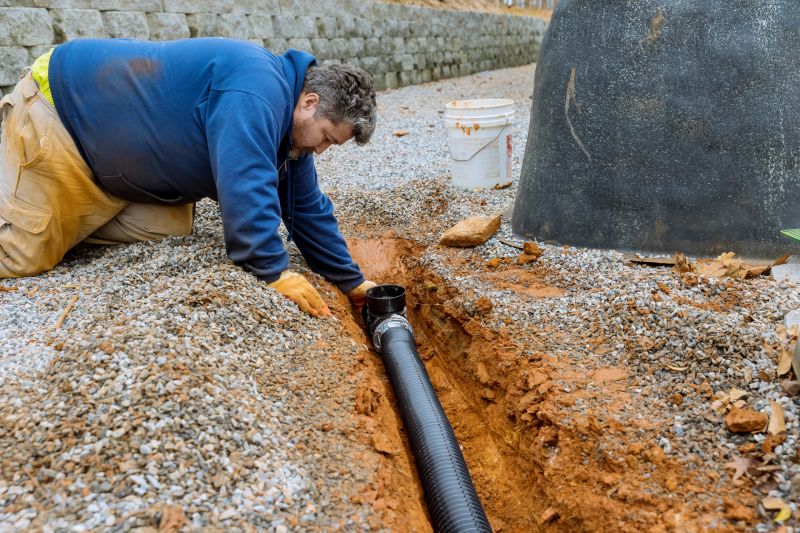
Drain line replacement services involve removing and installing new underground pipes that carry wastewater from a property to the main sewer line or septic system. This type of work is typically needed when existing drain lines are damaged, cracked, corroded, or clogged beyond repair, which can cause persistent backups, leaks, or foul odors. Projects can range from replacing a small section of pipe to full-scale replacement of entire drain lines, especially in cases of aging plumbing systems or after foundation repairs. Property owners should understand the scope of the replacement, the materials used, and any potential disruptions to their property during the work before requesting service.
Homeowners usually want to know what signs indicate a drain line needs replacement, such as frequent backups, slow drains, or foul smells. It’s also important to consider the location of the pipes, accessibility for excavation, and whether permits are required for the work. Understanding the process, including the methods used to replace the pipes-such as trenchless or traditional excavation-can help property owners make informed decisions. Contacting a professional for an assessment can clarify the extent of the issue and the best approach for replacing drain lines effectively.
Many property owners in Denver, CO look into Drain Line Replacement for repairs, replacements, upgrades, and appearance-related improvements.
Common Drain Line Replacement Jobs
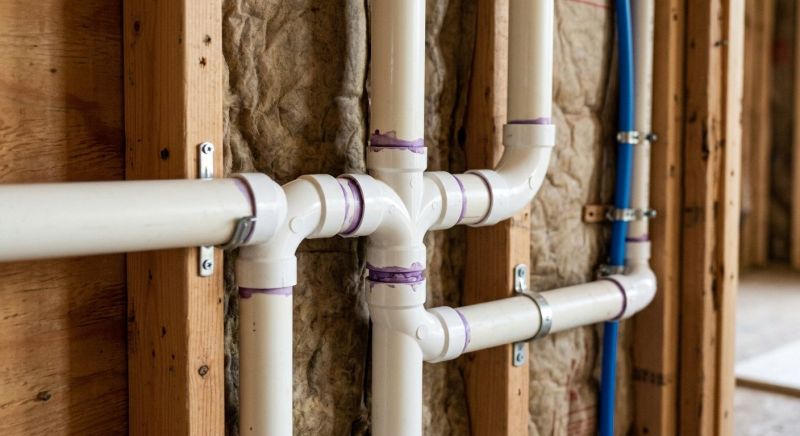
Drain line replacement involves removing and installing new drain pipes to prevent leaks and blockages.
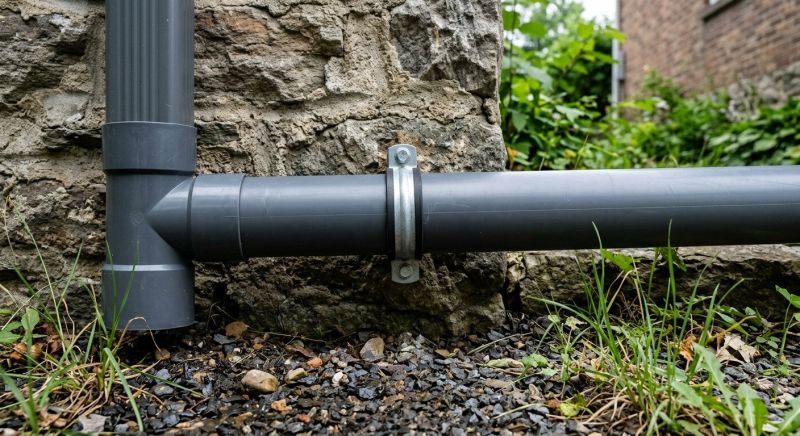
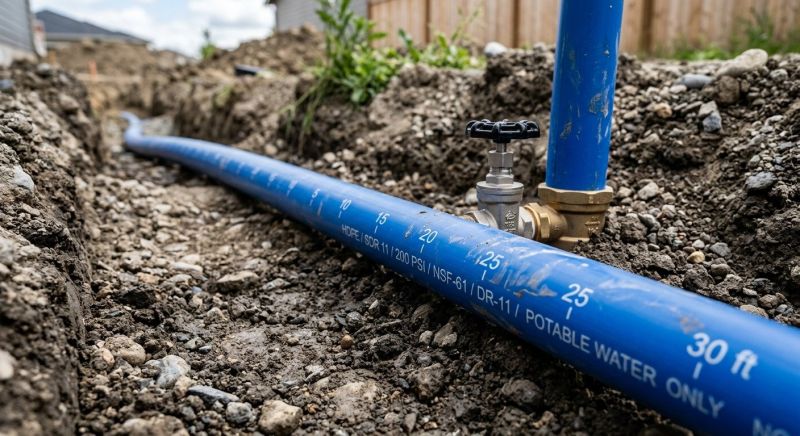
Underground drain line replacement addresses damaged pipes located beneath the foundation or yard.
Main sewer line replacement restores proper waste flow when the primary drain line is compromised.
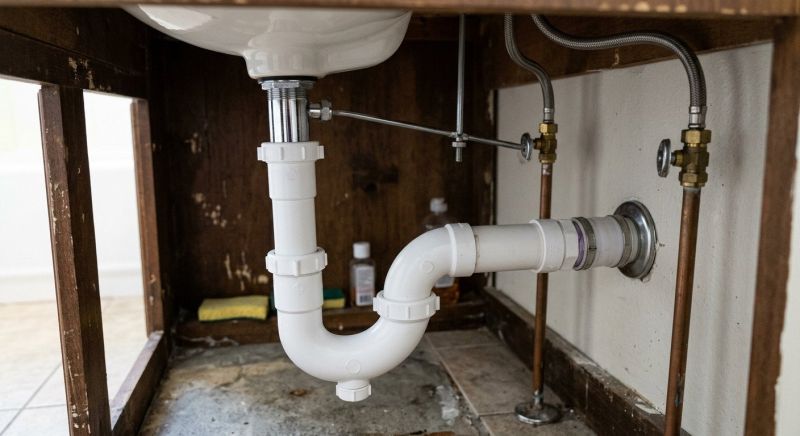
Kitchen sink drain line replacement ensures efficient drainage for kitchen plumbing systems.
Bathroom drain line replacement resolves issues with slow or clogged bathroom drains.
Storm drain line replacement helps manage rainwater runoff and prevents flooding around the property.
Drain Line Replacement Questions
What signs indicate a drain line needs replacement? Signs include persistent clogs, foul odors, slow draining fixtures, or visible pipe damage.
What types of drain line projects typically require replacement? Common projects involve replacing old or damaged pipes, rerouting drains, or upgrading to newer materials.
How does a property owner know if drain line replacement is necessary? When repairs become frequent or pipe issues worsen, replacement may be needed to restore proper drainage.
What should property owners consider before replacing a drain line? It's important to assess the extent of damage, plan for proper pipe materials, and ensure proper installation practices.
Request Drain Line Replacement in Denver, CO
Use the quote form on this page to share the basics of your project and request more information for the type of work you need.