Sewer Line Hydrojetting in Denver, CO
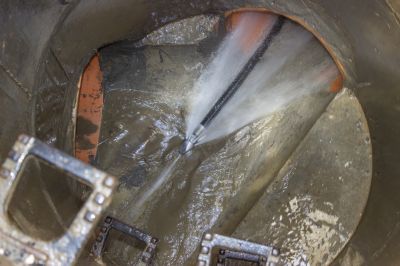
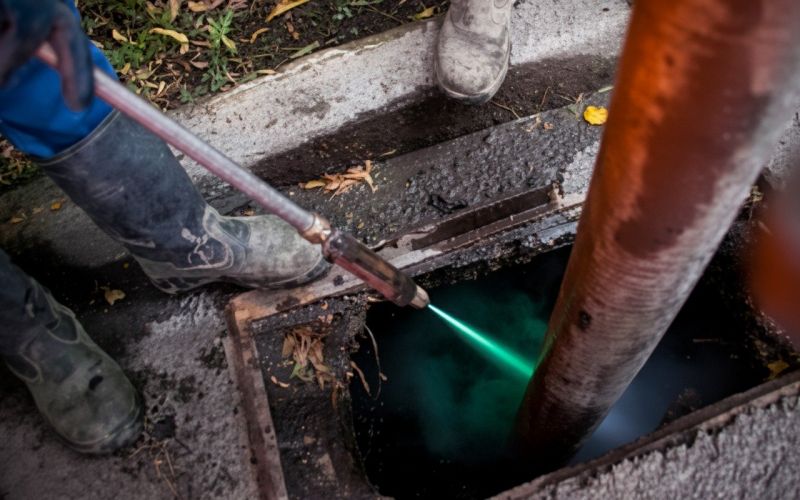
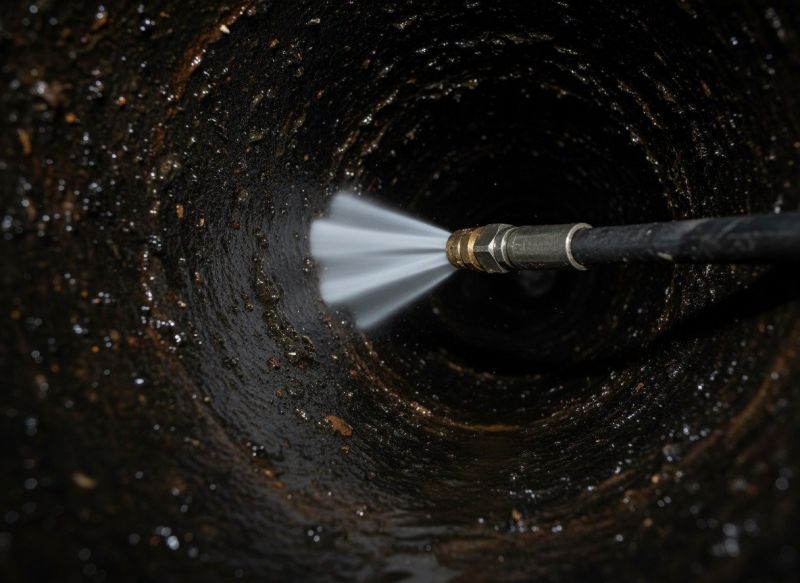
Sewer line hydrojetting is a high-pressure cleaning method used to remove stubborn blockages, grease buildup, and debris from underground sewer pipes. This service is effective for clearing clogs caused by tree roots, accumulated sludge, or accumulated waste, helping to restore proper flow and prevent backups. Homeowners often request hydrojetting when traditional snaking methods are insufficient or when there are recurring drain issues, ensuring the sewer lines are thoroughly cleaned and maintained.
Property owners should understand that hydrojetting involves the use of a specialized nozzle that directs a powerful stream of water into the sewer line, capable of cleaning pipes without damaging them. Before scheduling this service, it’s helpful to know the location of the sewer lines and any previous issues with blockages or slow drains. Proper assessment can determine whether hydrojetting is suitable for the specific plumbing system, ensuring effective and safe cleaning of the sewer infrastructure.
Many property owners in Denver, CO look into Sewer Line HydroJetting for repairs, replacements, upgrades, and appearance-related improvements.
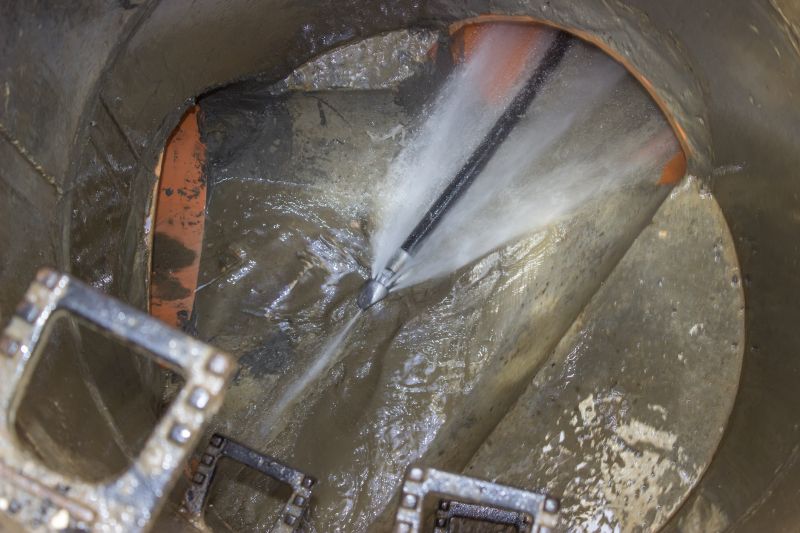
Effective Drain Clearing
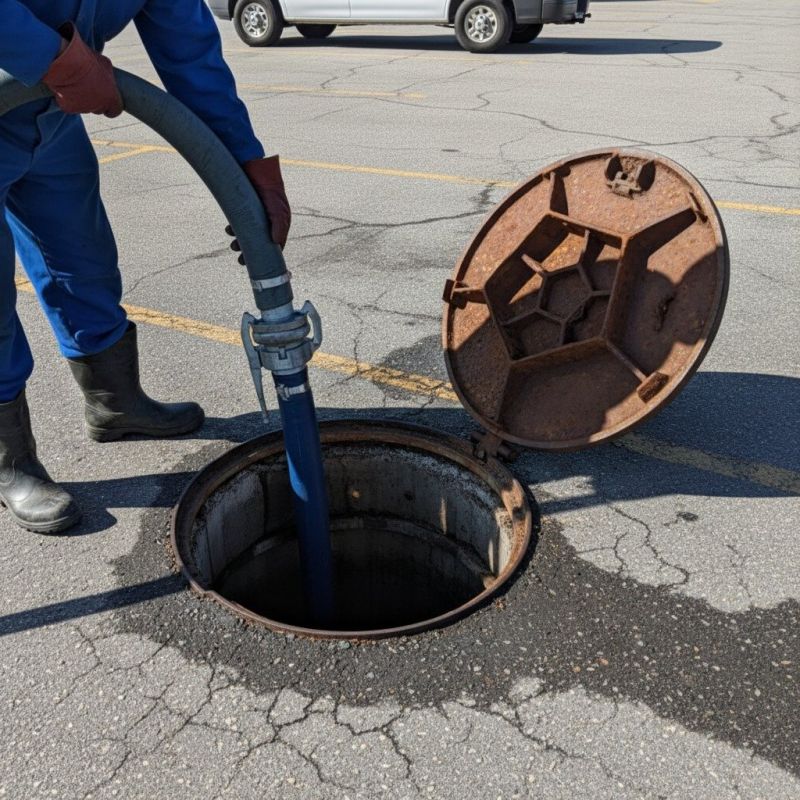
Hydrojetting quickly removes stubborn clogs and buildup in sewer lines.
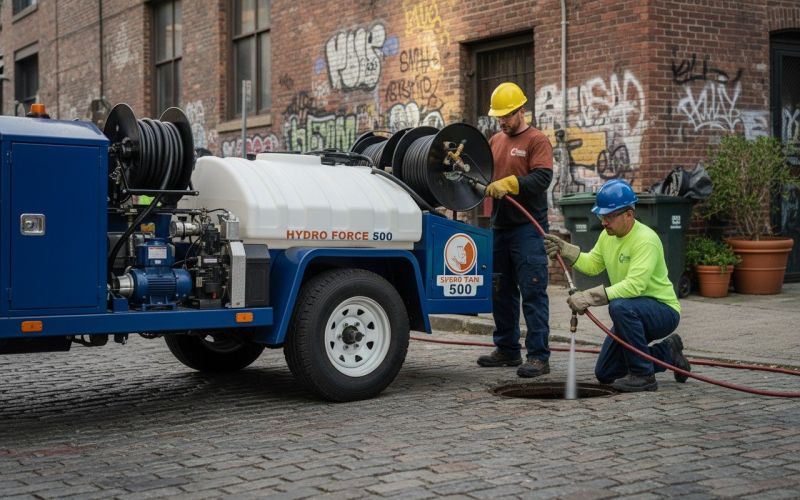
Preventative Maintenance
Regular hydrojetting helps maintain clear sewer lines and prevents costly backups.
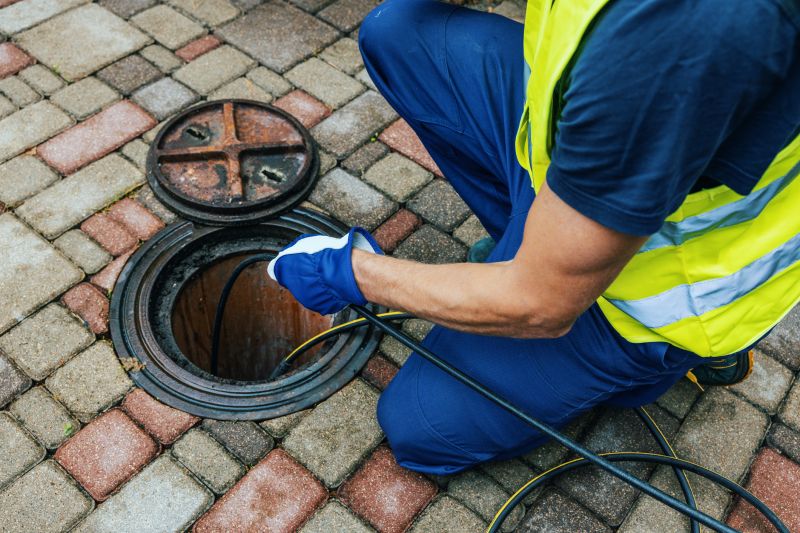
Deep Pipe Cleaning
This service cleans the interior of pipes thoroughly, restoring optimal flow in denver homes and businesses.
Sewer Line Hydrojetting in Denver, CO
Sewer line hydrojetting is a high-pressure cleaning method used to remove stubborn blockages, grease buildup, and debris from underground sewer pipes. This service is effective for clearing clogs caused by tree roots, accumulated sludge, or accumulated waste, helping to restore proper flow and prevent backups. Homeowners often request hydrojetting when traditional snaking methods are insufficient or when there are recurring drain issues, ensuring the sewer lines are thoroughly cleaned and maintained.
Property owners should understand that hydrojetting involves the use of a specialized nozzle that directs a powerful stream of water into the sewer line, capable of cleaning pipes without damaging them. Before scheduling this service, it’s helpful to know the location of the sewer lines and any previous issues with blockages or slow drains. Proper assessment can determine whether hydrojetting is suitable for the specific plumbing system, ensuring effective and safe cleaning of the sewer infrastructure.
Many property owners in Denver, CO look into Sewer Line HydroJetting for repairs, replacements, upgrades, and appearance-related improvements.
Common Sewer Line Hydrojetting Jobs
Sewer line cleaning - removes buildup and debris to prevent blockages and backups.
Tree root intrusion removal - clears roots that have infiltrated sewer lines, restoring flow.
Clog prevention and maintenance - helps maintain clear pipes and avoid future sewer issues.
Pipe restoration preparation - prepares aging or damaged sewer lines for repair or replacement.
Heavy-duty cleaning for commercial properties - ensures large-scale sewer systems operate smoothly.
Emergency sewer line clearing - quickly addresses sudden blockages causing backups or overflows.
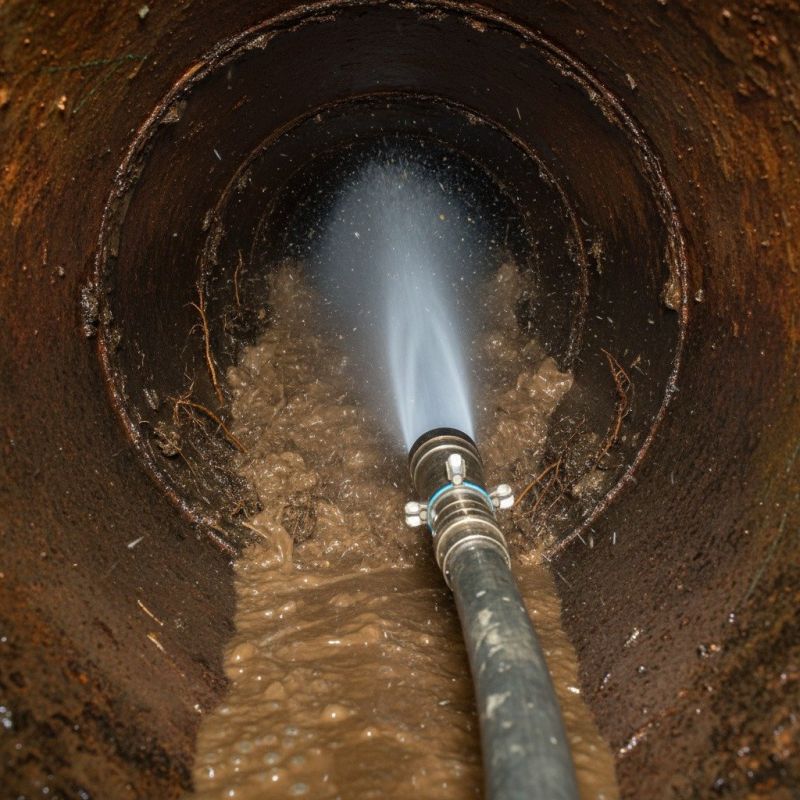
Sewer Line Hydrojetting Questions
What is sewer line hydrojetting? Sewer line hydrojetting uses high-pressure water to clear blockages and buildup inside sewer pipes, restoring proper flow.
What types of clogs can hydrojetting remove? It effectively removes grease, tree roots, scale buildup, and other stubborn obstructions in sewer lines.
Is hydrojetting safe for all sewer pipes? Hydrojetting is safe for most types of sewer pipes when performed correctly, but it’s best suited for older or heavily clogged lines.
How often should sewer lines be hydrojetted? Regular hydrojetting can help maintain flow, especially in properties prone to frequent clogs or root intrusion.
Request Sewer Line Hydrojetting in Denver, CO
Use the quote form on this page to share the basics of your project and request more information for the type of work you need.