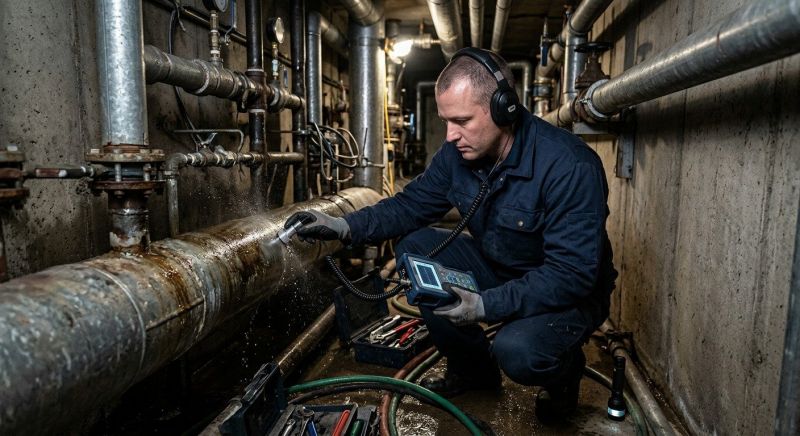
Pipe Leak Detection in Denver, CO
Pipe leak detection services help homeowners identify hidden leaks within plumbing systems, often before they cause significant damage or high water bills. This service involves specialized equipment and techniques to locate leaks in various areas, including underground pipes, behind walls, or beneath floors. Projects typically include diagnosing suspected leaks in residential plumbing, such as those caused by aging pipes, tree root intrusion, or accidental damage, ensuring property owners understand the exact location of a leak for effective repairs.
Property owners considering pipe leak detection usually want to know if their plumbing is compromised and where the leak is situated. Common concerns include unexplained increases in water bills, the presence of damp spots or mold, or sounds of running water when fixtures are not in use. Understanding the scope of the detection process and what areas can be examined helps homeowners make informed decisions about repairs and maintenance to prevent further property damage.
Many property owners in Denver, CO look into Pipe Leak Detection for repairs, replacements, upgrades, and appearance-related improvements.
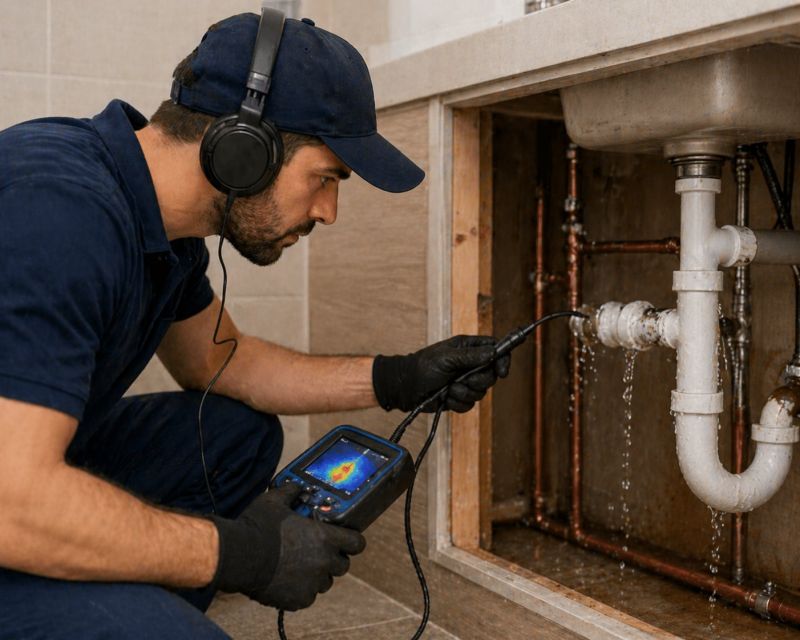
Signs Of Hidden Leaks
Unexplained increases in water bills or damp spots can indicate a leak behind the walls.
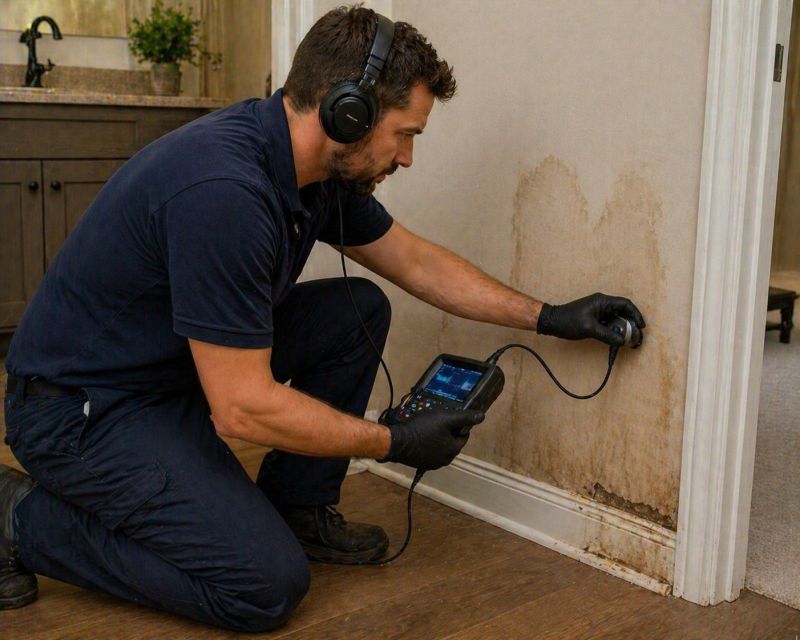
Advanced Detection Techniques
Specialized tools help identify leaks in underground or hard-to-reach pipes without extensive damage.
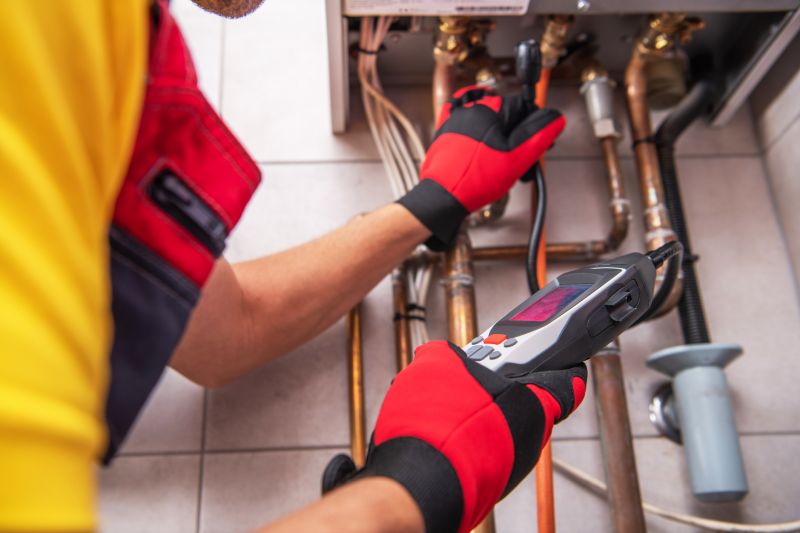
Preventing Water Damage
Early leak detection can minimize property damage and costly repairs for homeowners in denver and nearby areas.
Pipe Leak Detection in Denver, CO
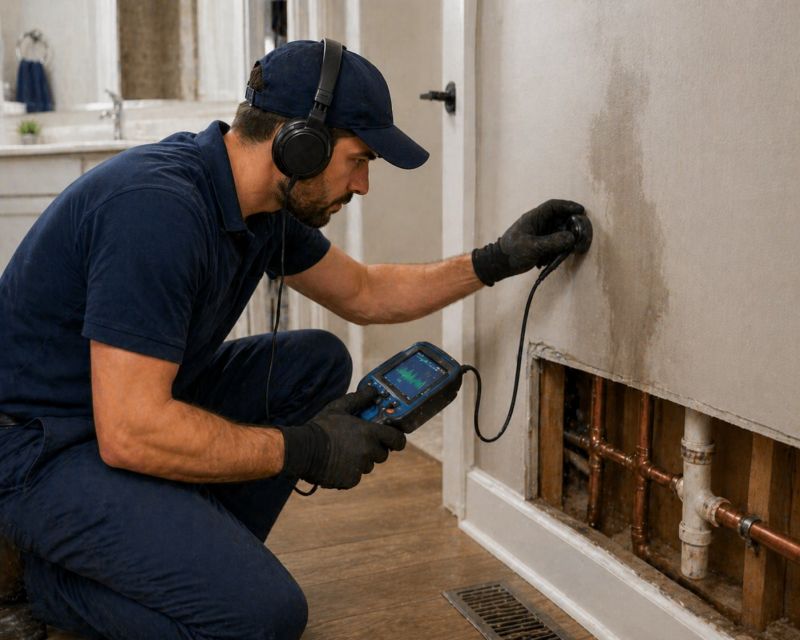
Pipe leak detection services help homeowners identify hidden leaks within plumbing systems, often before they cause significant damage or high water bills. This service involves specialized equipment and techniques to locate leaks in various areas, including underground pipes, behind walls, or beneath floors. Projects typically include diagnosing suspected leaks in residential plumbing, such as those caused by aging pipes, tree root intrusion, or accidental damage, ensuring property owners understand the exact location of a leak for effective repairs.
Property owners considering pipe leak detection usually want to know if their plumbing is compromised and where the leak is situated. Common concerns include unexplained increases in water bills, the presence of damp spots or mold, or sounds of running water when fixtures are not in use. Understanding the scope of the detection process and what areas can be examined helps homeowners make informed decisions about repairs and maintenance to prevent further property damage.
Many property owners in Denver, CO look into Pipe Leak Detection for repairs, replacements, upgrades, and appearance-related improvements.
Common Pipe Leak Detection Jobs
Residential plumbing inspections - identify hidden leaks within walls and underground pipes.
Underground pipe testing - locate leaks in buried pipes before they cause major damage.
Bathroom and kitchen leak detection - find leaks behind fixtures and under sinks quickly.
Main water line leak detection - detect leaks in the primary supply line to prevent water loss.
Slab leak detection - identify leaks beneath concrete slabs to avoid structural issues.
Emergency leak detection - respond to sudden water loss or signs of ongoing leaks promptly.
Pipe Leak Detection Questions
How can I tell if I have a pipe leak? Signs include unexplained wet spots, a drop in water pressure, or an increase in water bills without increased usage.
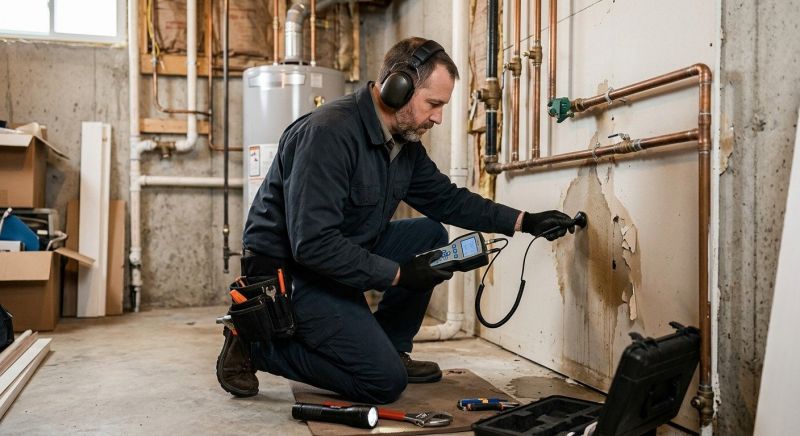
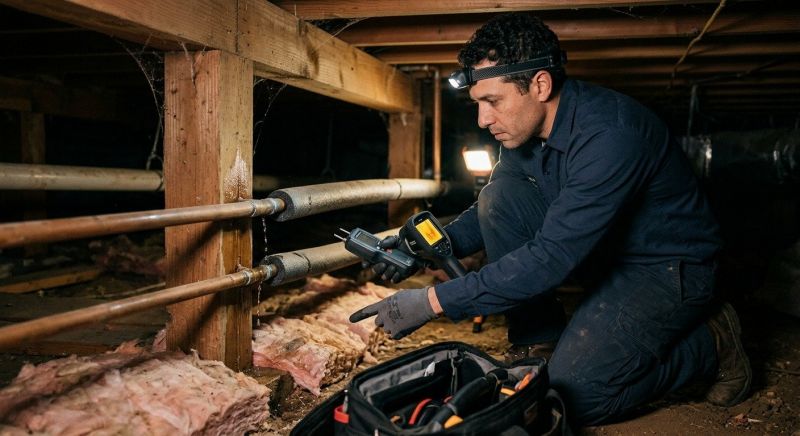
What areas are typically checked during leak detection? Common areas include underground pipes, behind walls, under floors, and in basements where leaks are suspected.
Is pipe leak detection invasive? Many methods are non-invasive, using specialized equipment to locate leaks without damaging property surfaces.
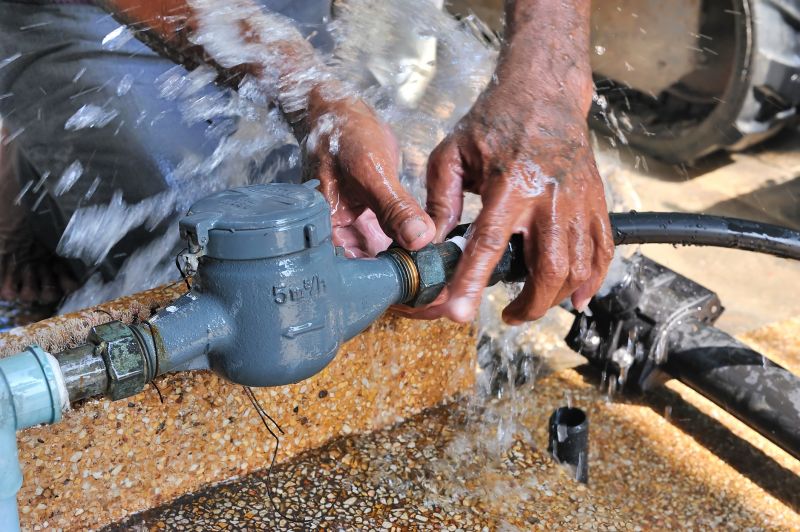
What types of leaks can be detected? Both small leaks and major pipe bursts can be identified using advanced detection techniques.
Request Pipe Leak Detection in Denver, CO
Use the quote form on this page to share the basics of your project and request more information for the type of work you need.